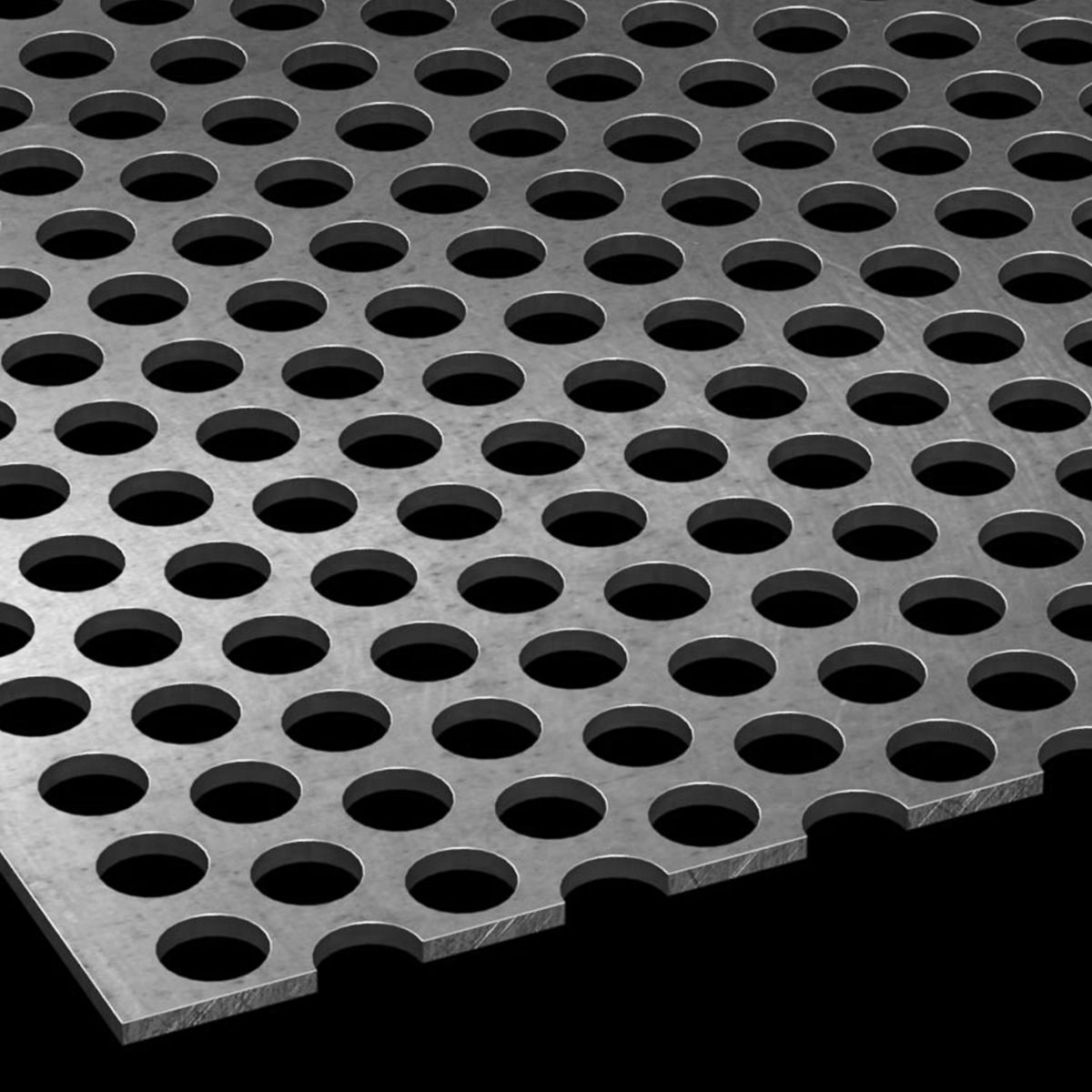
Perforated metal sheet
Sheet thickness: 0.2 – 6.0 mmHole size: 0.5 – 30 mm
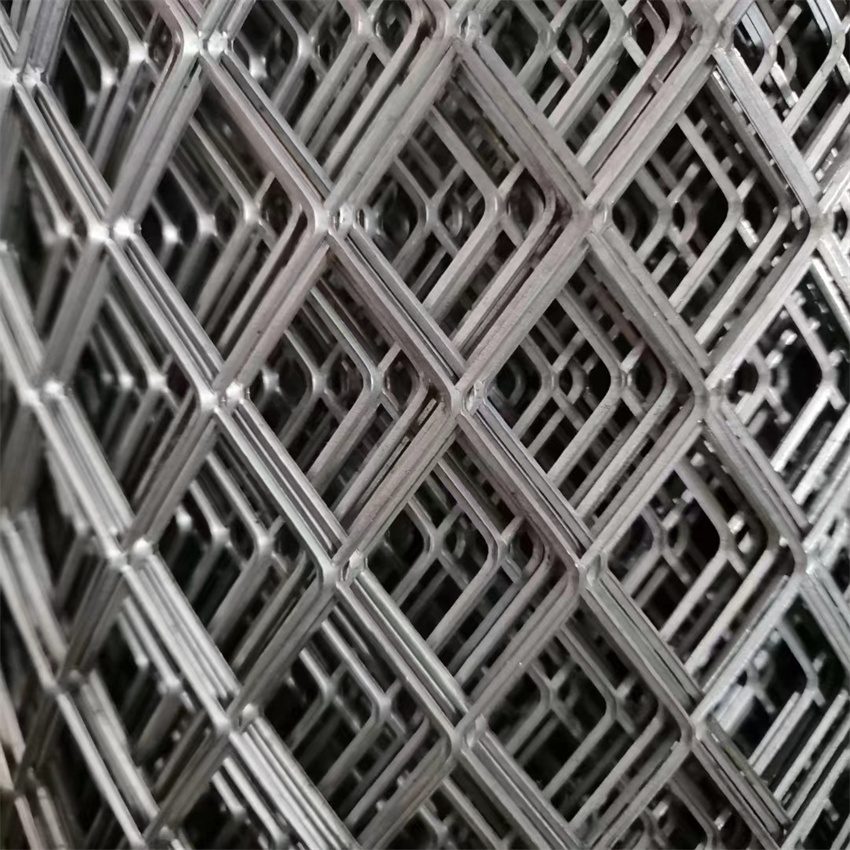
The expanded mesh lines, finished as a part: formed edge returns, fixing holes, and a surface that drains instead of holding water. Chinese trade name: 脚踏板.
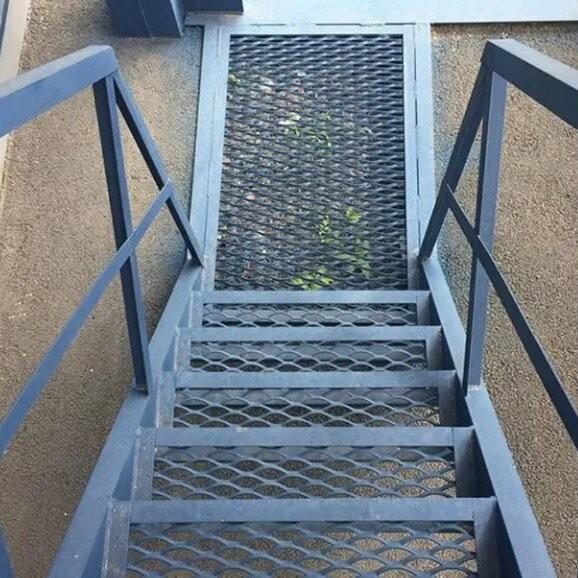
Anti-slip expanded metal step treads installed on an outdoor staircase.
Standard production range for this line. Anything outside it is a conversation, not a refusal — tell us the application and we will say what the tooling can hold.
A sample panel and a mill certificate come before the container does. Ask for both with the first quotation.
| Tread width (going) | 200 / 250 / 300 mm, or to drawing |
| Tread length | 600 – 1200 mm, cut to the stair width |
| Base sheet thickness | 2.0 / 2.5 / 3.0 / 4.0 / 5.0 mm |
| Mesh | Raised expanded, SWM 10 – 30 mm, strand 1.5 – 4 mm |
| Edge return | 25 – 50 mm front and rear, pressed or welded |
| Material and finish | Hot-dip galvanized steel; pre-galvanized; powder coat to RAL; aluminium or SS on request |
| Fixing | Punched holes, welded cleats, or bolts to the stringer; to your detail |
| Load | Quoted to the load and span you specify — typical industrial treads are called out at 1.0 – 2.0 kN concentrated |
| Standards | Can be produced to a stated EN ISO 14122-3 or OSHA 1910.25 requirement; tell us which applies |
A step tread is three decisions, not one: the mesh pattern (grip and drainage), the base thickness (load and span), and the edge return (stiffness and how it fixes to the stringer). Get those right and the tread outlasts the staircase; get the return wrong and the tread flexes under every boot.
We make treads from raised expanded mesh — the strands stand out of the plane, which is what provides the grip — with the front and back edges pressed into a return so the tread works as a shallow tray rather than a flat sheet.
Expanded treads are slip-resistant because the strands sit above the walking plane and the sole never meets a flat continuous surface. Water, snow, dust and swarf fall through the openings instead of collecting on them — which is why the same tread works outdoors in rain and indoors in a machine shop.
Flattened mesh loses most of that. If a specification says anti-slip and the tread is flattened, the grip has to come from a grit coating instead, and that coating wears off in the traffic lanes within a few years.
A tread is a plate spanning between two stringers. Its capacity comes from the base thickness, the depth of the edge return and the span between supports — not from the mesh size. A 3 mm tread with a 40 mm return carries several times what a 2 mm flat sheet of the same width carries.
Send the span, the tread width and the load, and we will quote the thickness and the return depth. If the stair is already built, the fixing centres decide the span and everything follows from there.
Three fixing patterns cover most work: punched holes for bolts, welded cleats bolted to the stringer, or a welded frame with a bolted front edge. Fixing centres are usually 150 – 300 mm along the stringer; give us the detail and the holes are punched in production, not drilled on site.
Front edges take the most abuse. A return pressed into the leading edge is what keeps the tread looking straight after a decade of boots, and it is cheaper than a welded nose bar.
Hot-dipping after fabrication covers the cut edges, the returns and the inside of every fixing hole — the places that rust first on a pre-galvanized tread. For colour, a powder coat goes over the galvanized surface; on a heavy-traffic tread, the coating will wear through in the walking lanes and the zinc underneath is what keeps it standing.
Typical applications for this line. If yours is not listed, it usually still fits.
Grip comes from raised strands and open drainage, not from a coating. A raised expanded tread with SWM in the 10–30 mm range stays slip-resistant in rain; a flattened one does not.
Yes. Give us the span between stringers, the tread width and the load — a concentrated load in kN is the usual figure — and we return the base thickness and return depth that carries it.
Yes, punched in production to your fixing centres. Send the stringer detail and the hole positions; drilling on site is how treads end up loose.
Hot-dip galvanized for life outdoors and in wet areas. Powder coat over galvanized for colour and visibility marking; expect the coating to wear in the traffic lanes over time.