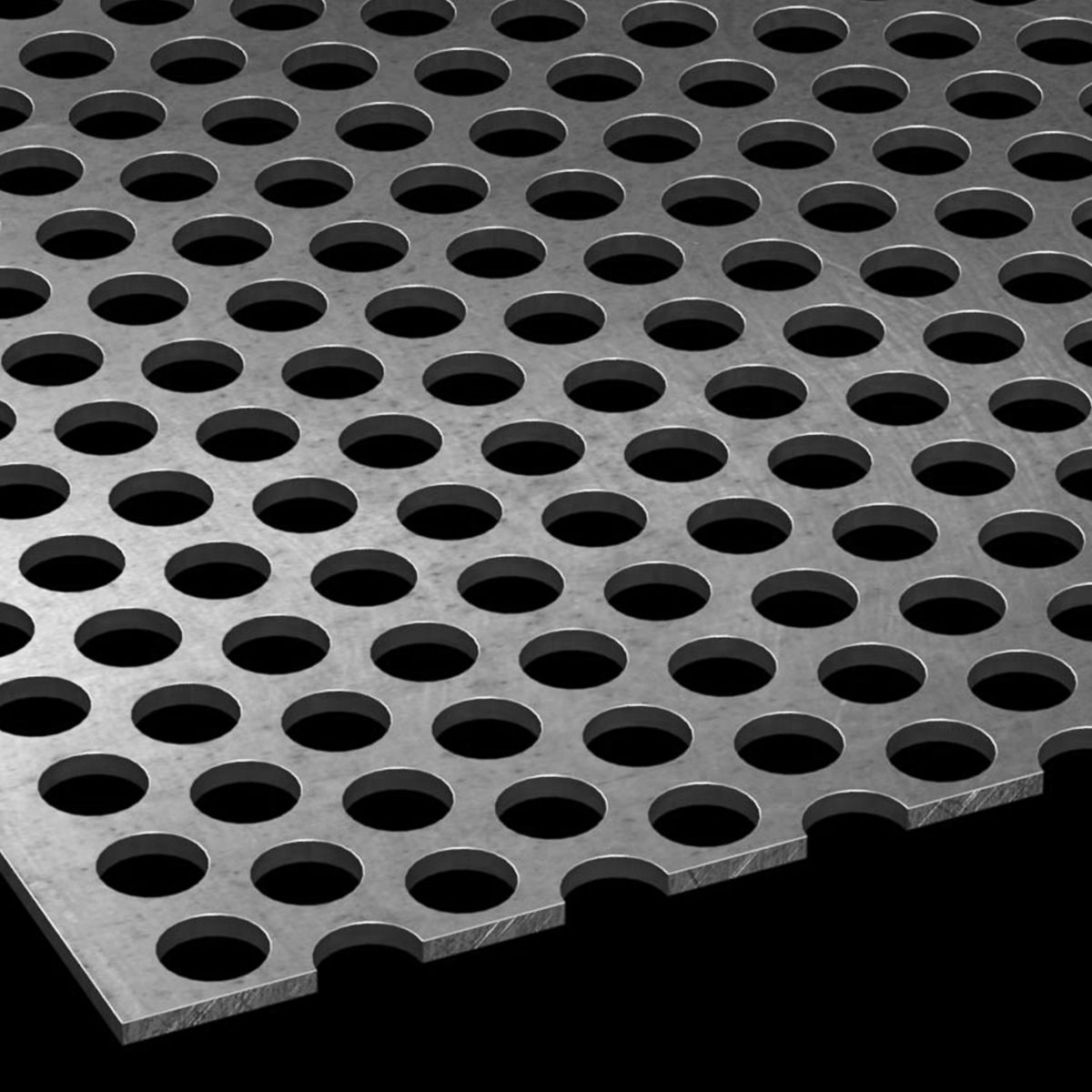
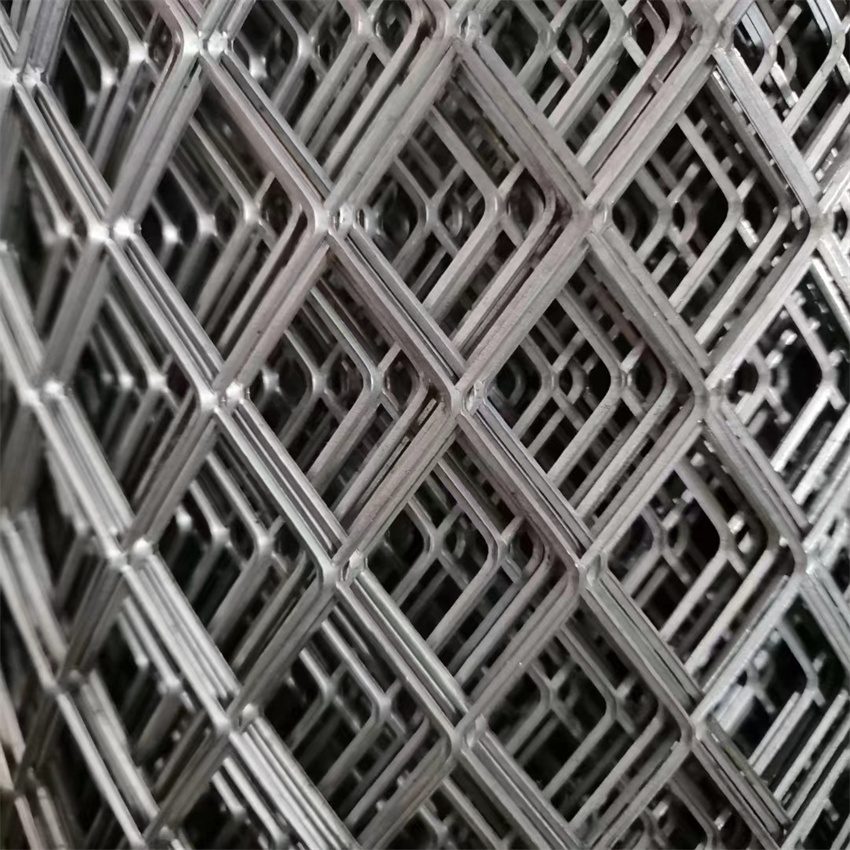
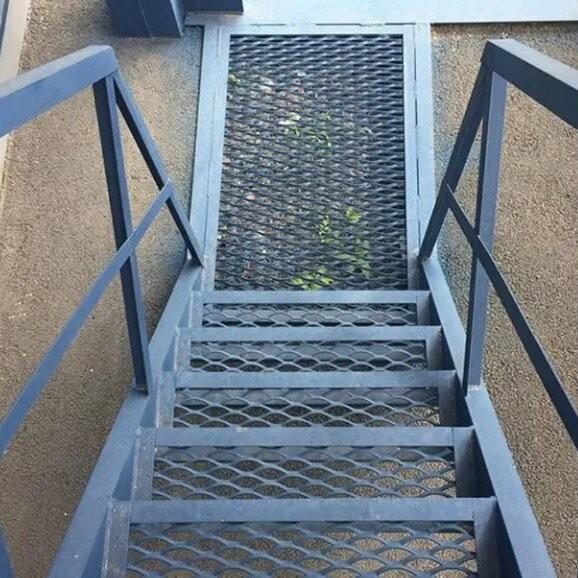
A supplier cannot quote perforated or expanded sheet from a description alone. "Perforated metal, 1 mm thick" fits a dozen patterns at a dozen prices. Six numbers fix it.
The six
| Number | Example | Why it matters |
|---|---|---|
| 1. Hole or mesh size | 3 mm hole on 5 mm pitch; or SWM 20 × LWM 60 mm | Sets the product and the tooling |
| 2. Sheet thickness | 1.0 mm sheet, 2.5 mm base | Sets weight, stiffness and load |
| 3. Panel or sheet size | 1.2 × 2.4 m panel, 300 mm tread | Sets packing and freight |
| 4. Finish | Hot-dip galvanized; anodised clear; powder RAL 7016 | Sets service life and price |
| 5. Quantity | 5 t, 200 panels, 500 treads | Sets the price band and the lead time |
| 6. Destination | CIF Valparaíso; or FOB Tianjin | Sets the Incoterm and the freight |
What changes the price quietly
- Pattern and open area — 30 % open area and 50 % open area are different products at different prices.
- Tolerance — a tight hole tolerance means slower press speed and a higher price.
- Cut-to-size — cutting a panel out of a standard sheet leaves an offcut that somebody pays for.
- Edge treatment — framed, returned or trimmed edges are real cost, and worth specifying.
- Packing — crates, fumigation marks and moisture barrier film, plus the freight difference they make.
Send a drawing if you have one
A PDF, a DXF, or a photograph with the hole size written on it removes more ambiguity than a paragraph of description. If the inquiry includes all six numbers and a drawing, the first quotation is usually the final one.